Practical and Emotional Supports are “Close To Home”
Small, neighbourly connections can have big impacts on aging in place
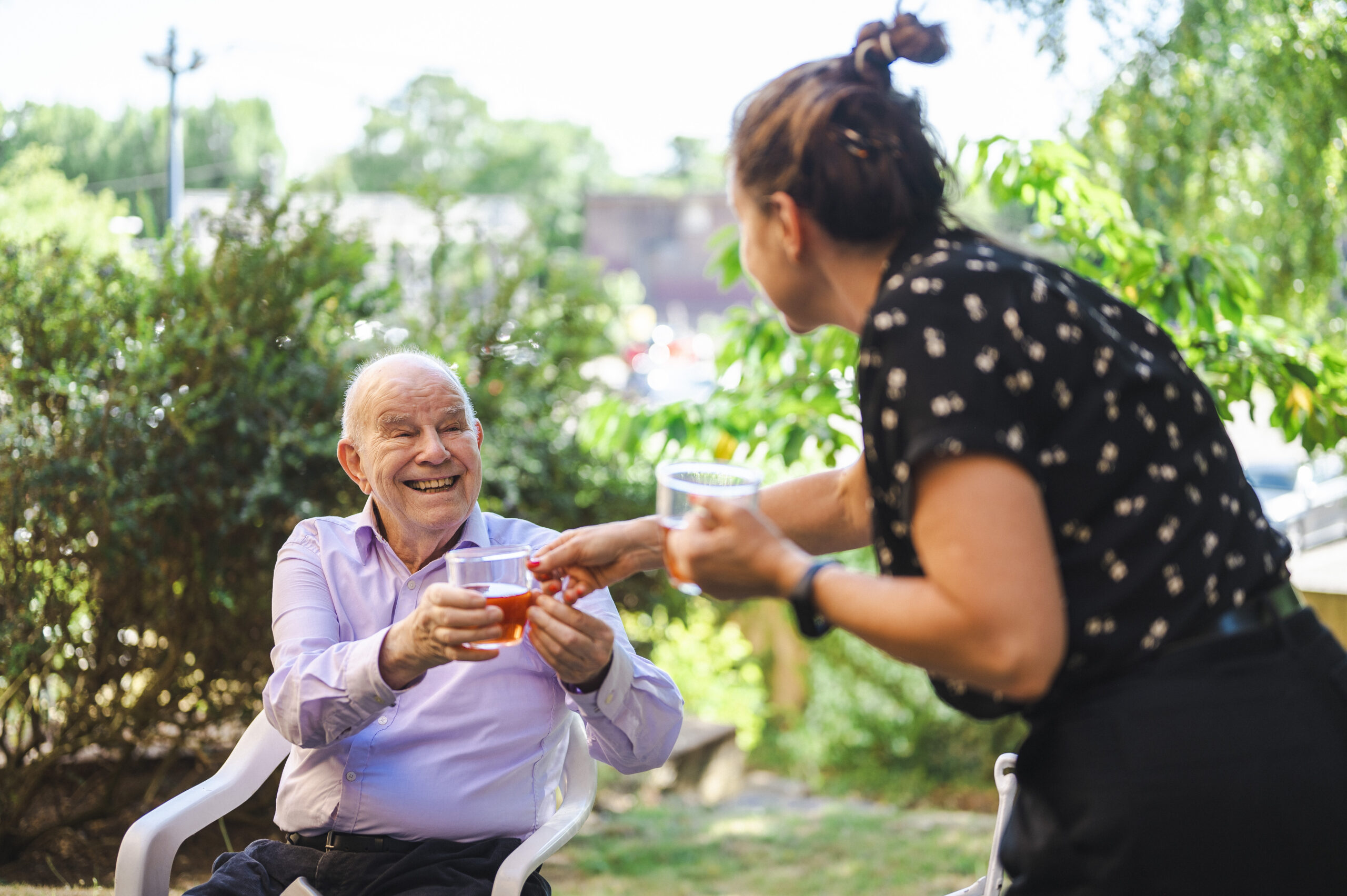
West End Seniors’ Network’s “Close To Home” program aims to grow social connections and reduce isolation and loneliness–especially in multi-unit buildings that have a high proportion of residents who are older adults, people with disability, or living on a low income. The program and its impacts are among many described in Hey Neighbour Collective’s new five-year Evaluation Report – but the program, its goals, and its impacts are best described by the story of how it all began.
Rose recalls the day she came up with the idea for what would eventually become Close To Home: “It was selfish, I’m not gonna lie—I needed help,” she says.
Rose was working from home while also gradually becoming a round-the-clock caregiver for her mother, who had dementia. One day Rose hadn’t had a break in eighteen hours, hadn’t showered in days, and hadn’t slept much for months, when she started thinking about the other people she knew in her apartment building. Couldn’t another resident who was watching a TV show right then just pop by and watch the show with her mother for an hour, while Rose ran some errands? Maybe that person would even enjoy the company?
Rose’s vision rapidly evolved. “Can’t we bring some kind of programming to the building so that people don’t have to leave? It wasn’t just my mom. When I started really thinking about it, I knew so many seniors in the building.”
Rose shared her ideas with West End Seniors’ Network (WESN), and the organization launched a pilot project. Resident volunteer leaders and WESN staff worked together to organize activities over lunches to encourage residents to step out of their units and into the common area to talk, eat, learn, and share with their neighbours of all ages. Activities included lobby intercepts, craft groups, buddy outings, and recreational events.
The program was a smash—often, dozens of residents attended weekly events in the lobby with food and refreshments, games, and social interaction. “It was great. Residents would also say things that they wanted to do, and then they would organize and do it,” says Rose. “And people would talk and hang out and make their own connections.”

And yes—a few neighbours spontaneously offered to sit with her mother when Rose needed to do some errands. All of this was not only practically helpful, but emotionally uplifting to Rose. “We’re all so isolated. But we used to live in community; we used to live in villages, right? We all took care of each other.”
For its part, WESN later expanded the Close To Home program to four more buildings, offering support for onsite social, recreational, and educational activities done by and for residents.
These partnerships have brought innovations and benefits to WESN as well. “Going off our own premises to meet in these places is a new development compared to WESN’s traditional programming,” explained former WESN Manager of Programs Jennifer Conroy. “The business case for doing this is very strong for us. We’re reaching people we wouldn’t otherwise be able to reach. It increases people’s awareness and connections to us and to the other services and experiences that we’re able to offer.”
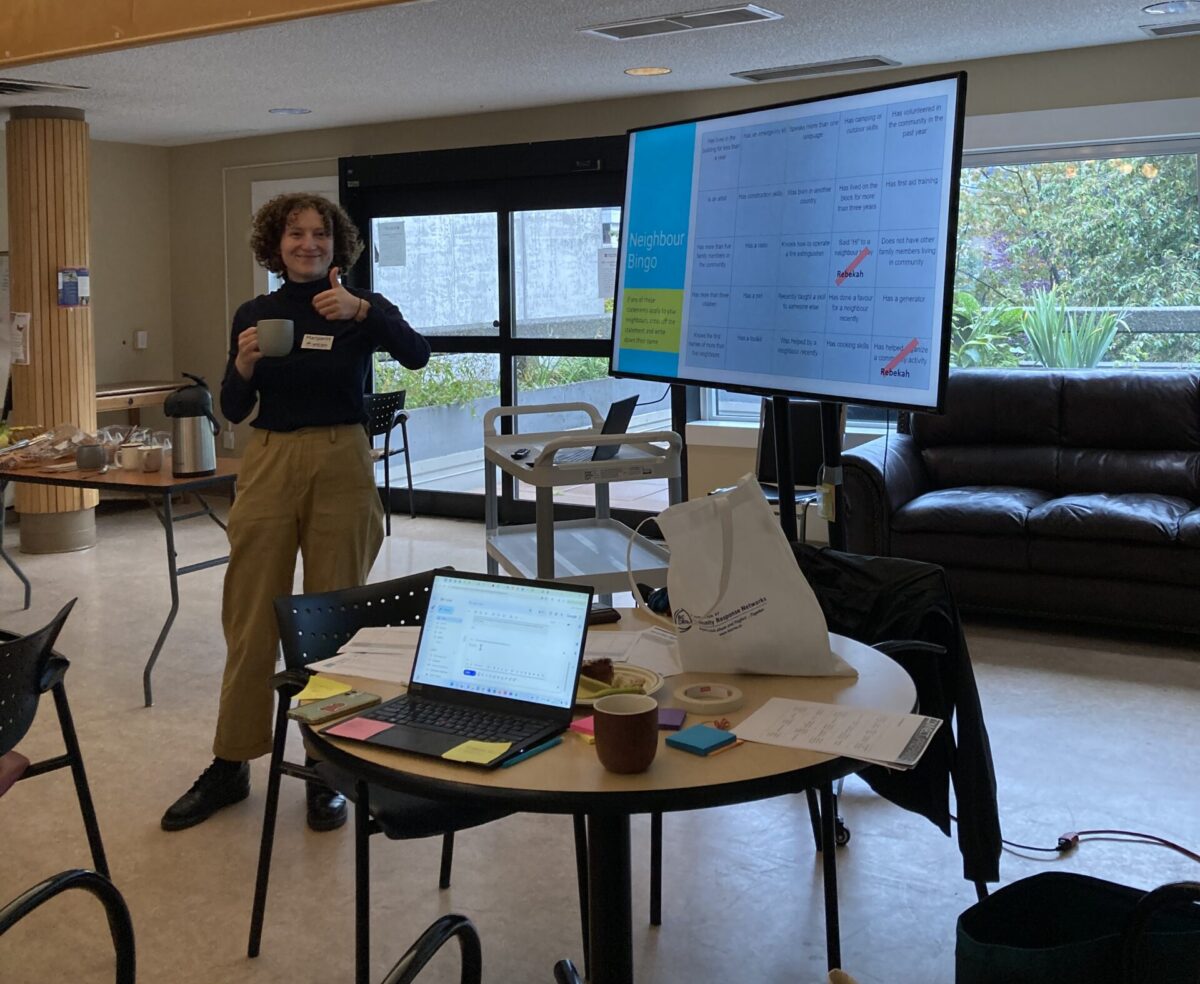
Regular gatherings for “social meals” hosted by WESN in one building led to new connections among residents, spontaneous networking, and people starting to attend other events together. “The nice thing about social meals is that it’s less awkward than coming to an event,” described former WESN Close to Home director Margaret Ovenell. “I put out icebreaker questions on every table, and I found people actually did use them to chat. And it was nice to see two people sharing a newsletter, and then start talking about going to one of the events together.”
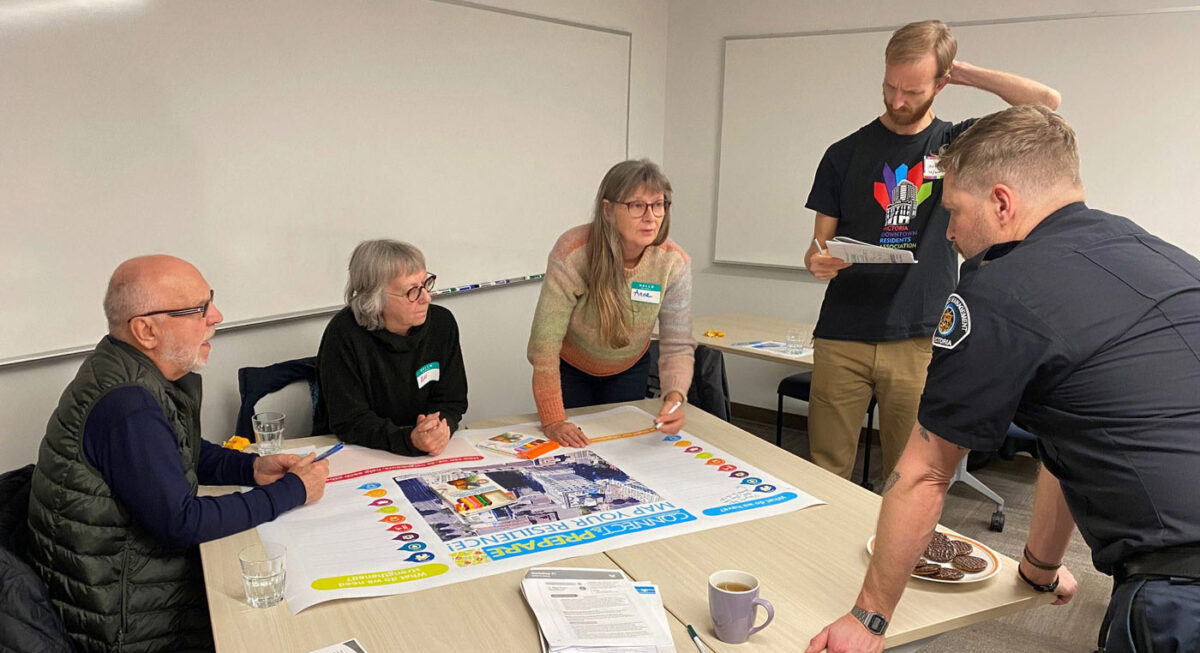
At a cooperative housing building, some residents participating in the Close to Home program expressed interest in emergency preparedness, so Ovenell ran a series of Connect & Prepare training sessions. Afterwards, one resident, Daniel, united with a half-dozen other residents to increase awareness of emergencies and strengthen collective preparedness. “It’s amazing to see how we’re all working together,” said Daniel.
Notably, for many residents, the emotional impacts are often as valuable as the practical ones.
Diana is a resident who has both participated in and sometimes helped organize activities ranging from bingo and group social dinners to emergency preparedness workshops in her building. Diana says she sometimes struggles with mental health issues, and finds the social activities help her overall sense of wellbeing. “I do find that connecting with my neighbours and having good times and laughter is really good for me,” said Diana. “And I love giving back. It makes me feel good that I’m contributing to something.”
Read Hey Neighbour Collective’s Five-year Evaluation Report to learn more about these and other projects that HNC partners have been engaged in to foster social connectedness, encourage neighbourly mutual assistance, and support aging in place.